The Philosophy of Point-and-Shoot Photography
A photograph has no business existing, yet it does. You can only assume a photo exists for an absurd reason.
Photography did not come naturally to the universe. Humans discovered a way to capture time and light to create an image that reflects reality.
Although a photograph is not truly reality, it is the only medium that takes information directly from the world and translates it into something we can understand. In film photography, the film negative is a physical impression of the light that hit the surface. In digital photography, the light that hits the sensor becomes pixels, it becomes data.
Anyone that identifies themselves as a photographer, is not just clicking a button to make that happen. Photographers have an eye, which is the greatest tool they have. They see the world from their own perspective and they use the camera to capture what they see.
When you see a photograph, you do not always have the photographer there to explain to you why they took it. The information that you receive is the visual image they have constructed. Without words, what meaning do you find in a photo? What unspoken thing is being said?
Why does that photograph exist?
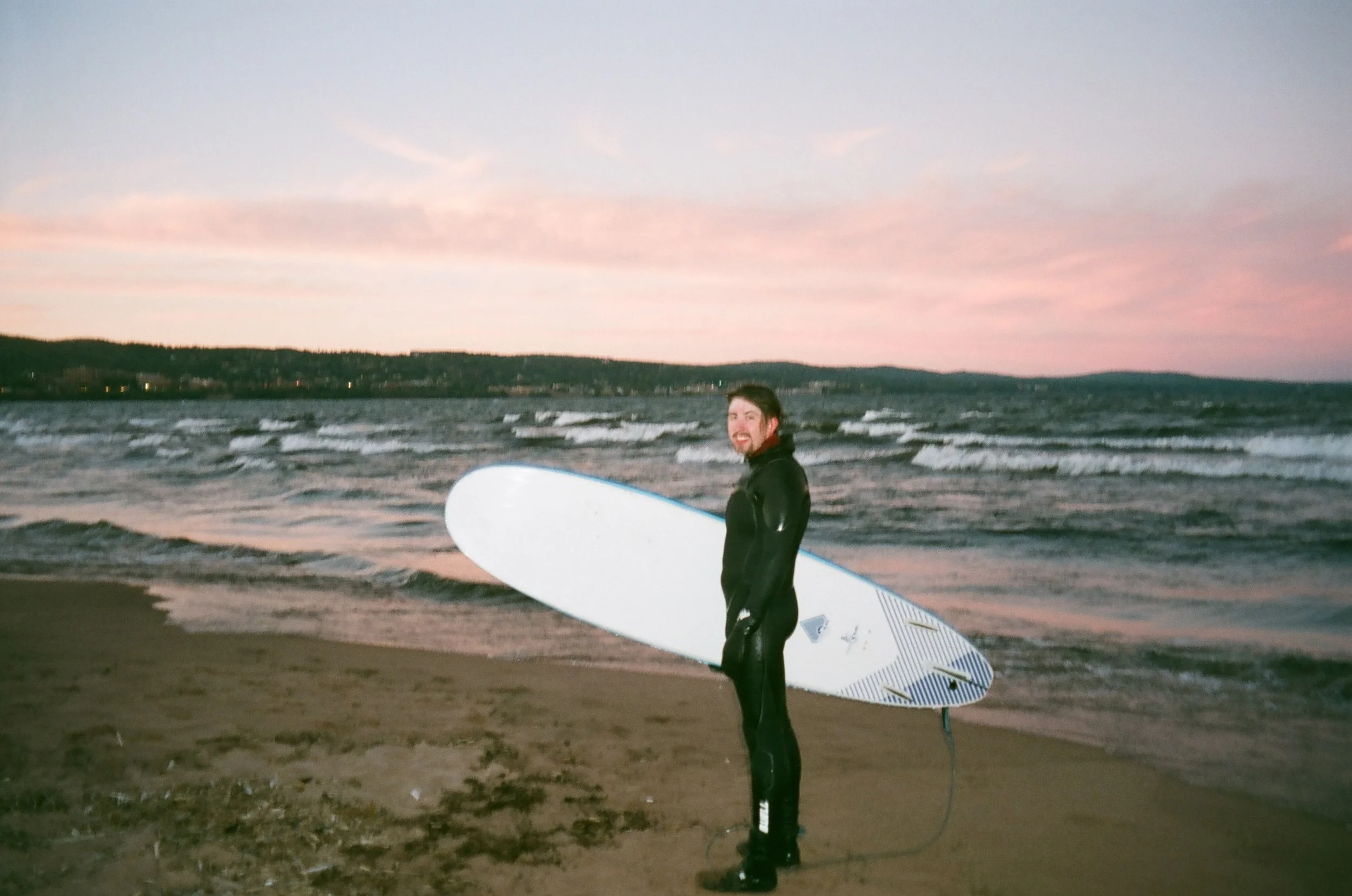
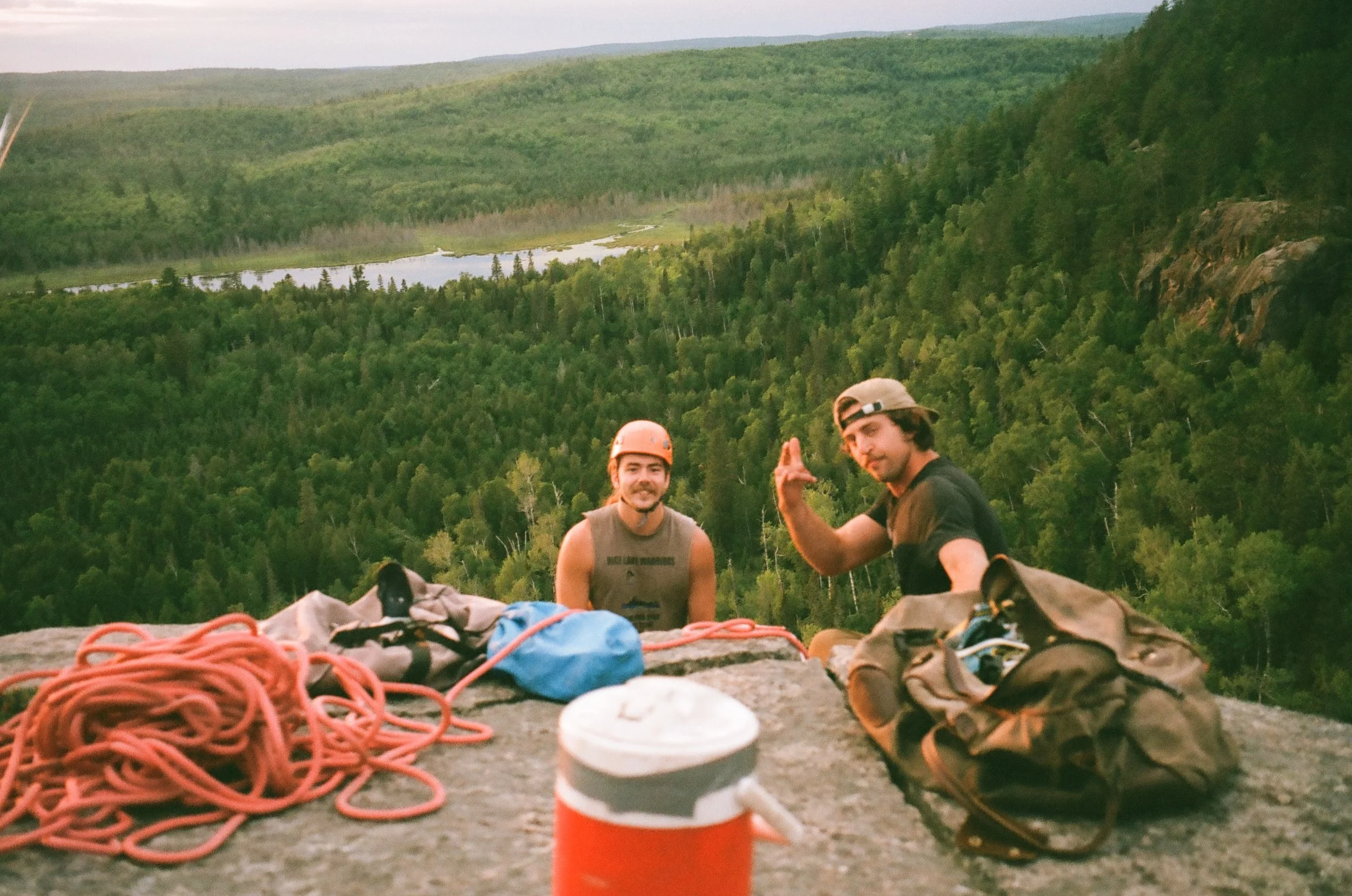
It’s a little blurry, but that’s okay!
It exists though, there is no changing how it was captured.
Don’t Overthink, Don’t Wait Too Long, Just Be There
What I would call Point-and-Shoot, is not just a type of camera, but an approach to the process of collecting images and documenting what you experience.
By having a camera ready, trusting your eye, and striking at the right moment, you are capturing what feels natural to preserve and what feels right to preserve.
A Point-and-Shoot photographer may have a prior idea of what they want to shoot, but they do not really know until it is right in front of them. It’s not always planned. It’s not always thought out. But it’s a moment acted upon. Acting upon a moment makes it intentional. A moment was there and the photographer seized it.
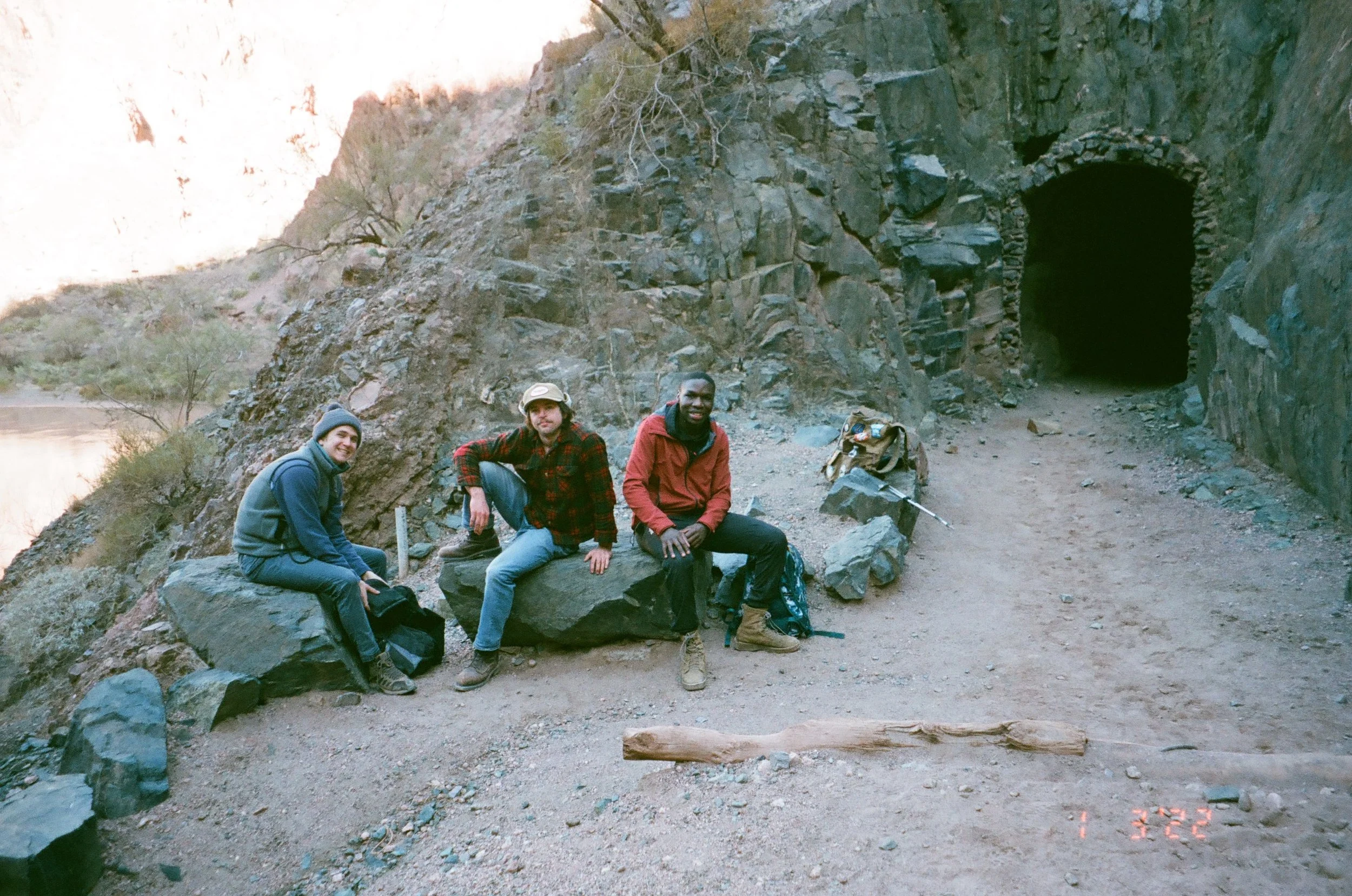
The Bottom of the Grand Canyon
A photo itself does not tell the whole story sometimes, context is sometimes necessary, but sometimes it can speak for itself. That is up to the photographer if context is needed.
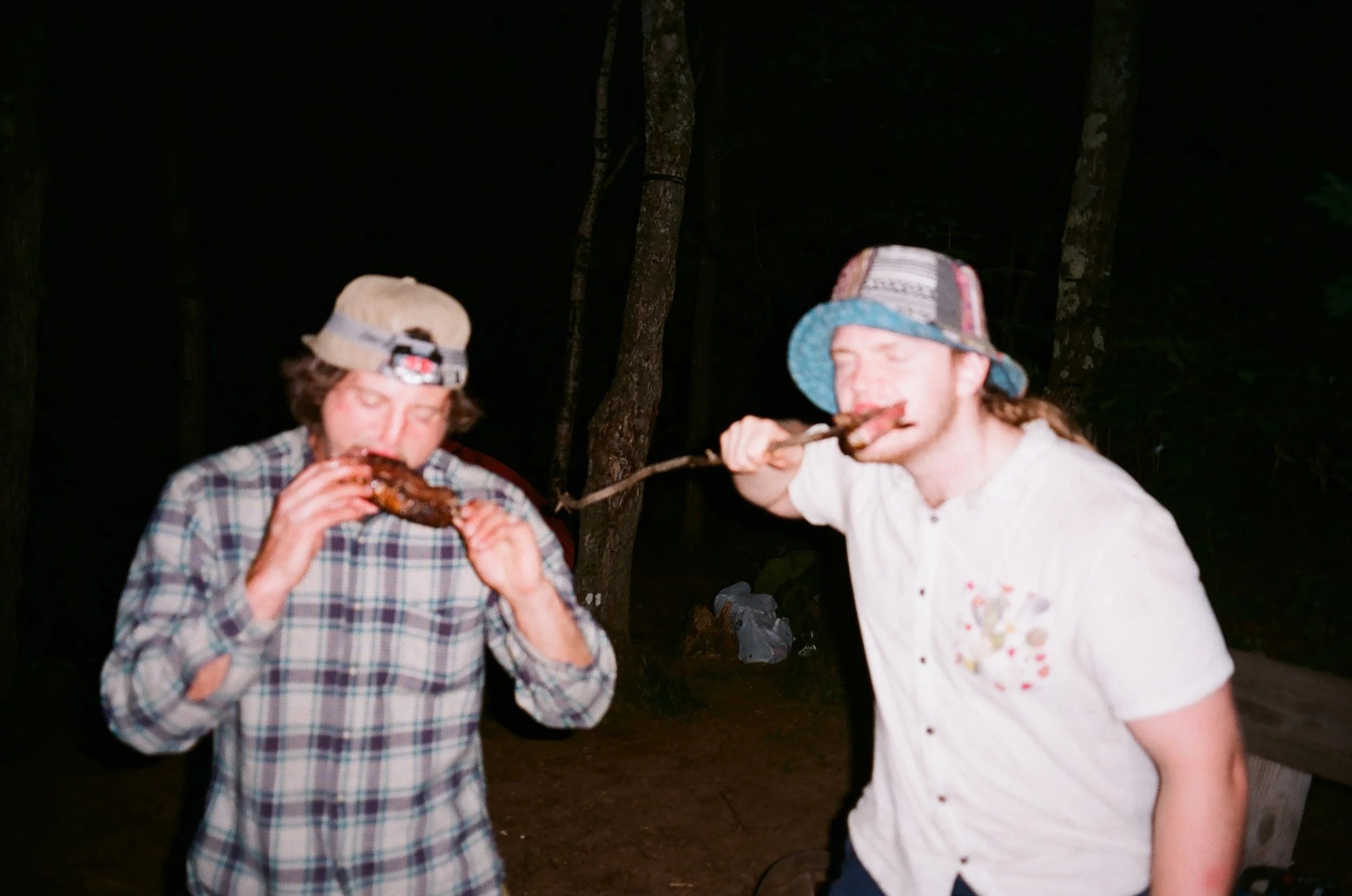
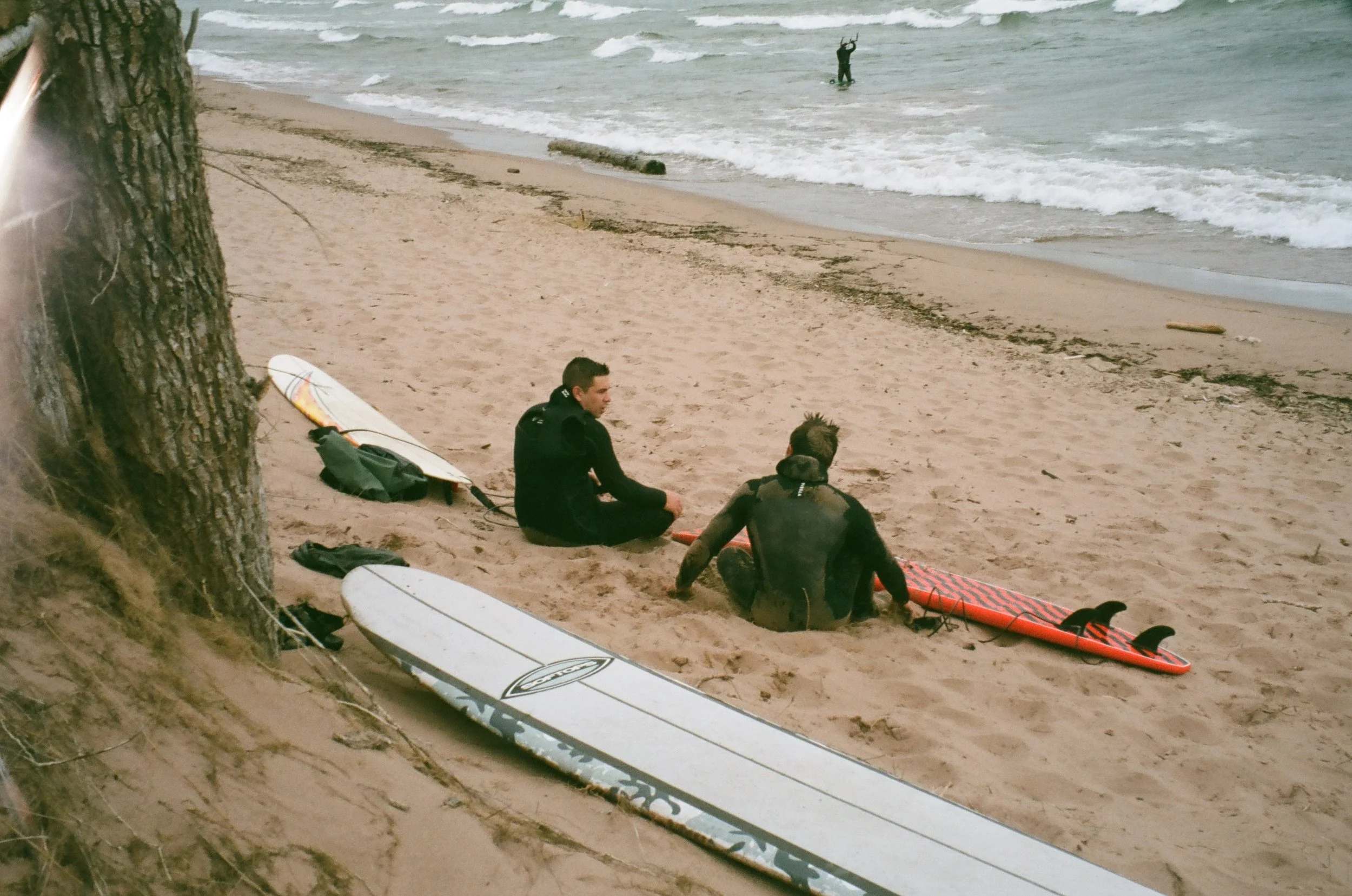
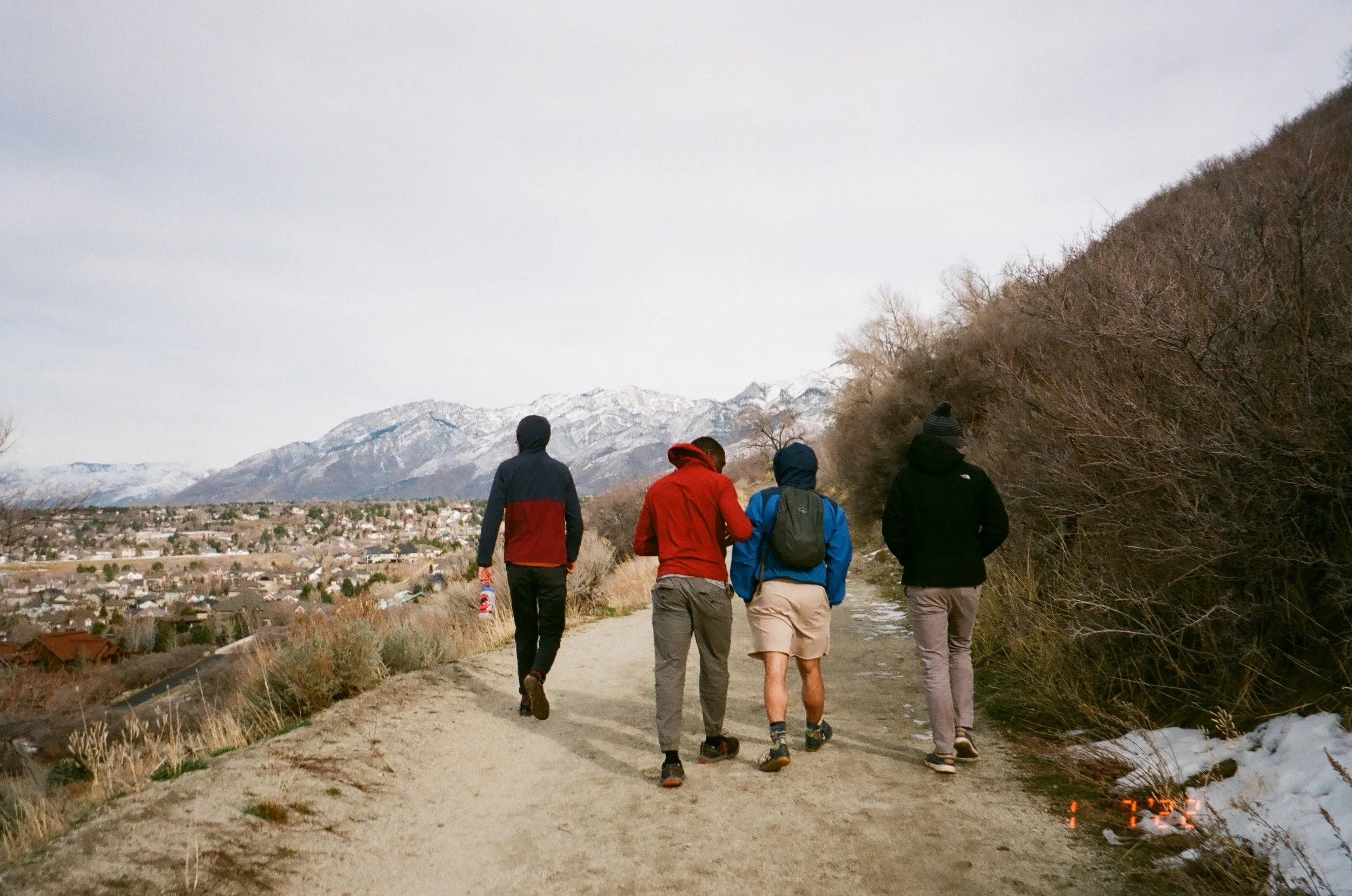
The Candid
Candid photography is where the subjects are unaware or made to seem unaware of the camera. The Candid is an observation of the natural way of things. In the Candid, the camera exists and does not exist at the same time. The camera exists to take the image, you know the camera exists, but the image does not indicate that a camera is a part of what is being observed. The photographer is like an alien observing Earth. The Candid serves as a suspended moment of “true” reality.
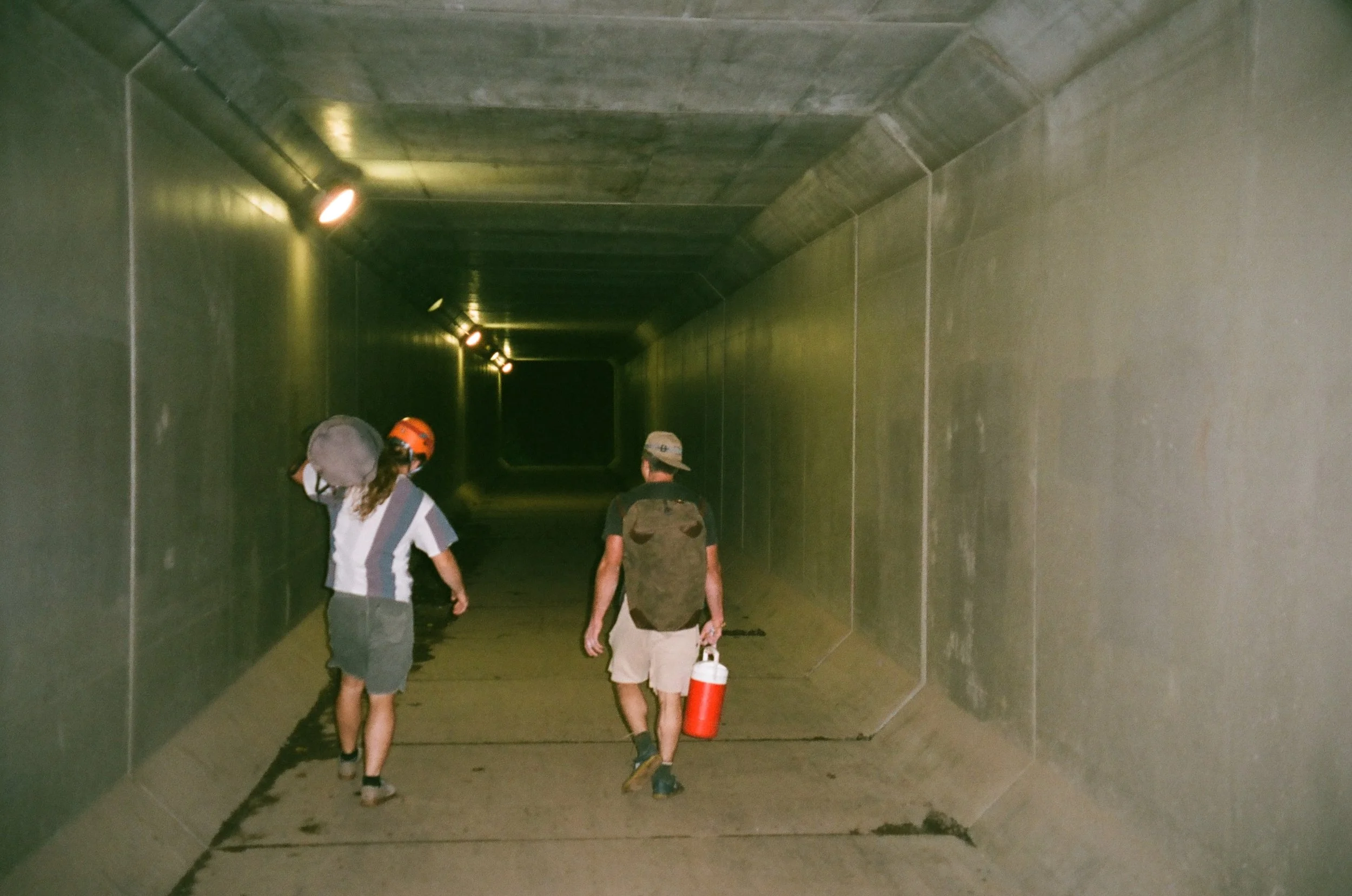
The Posed
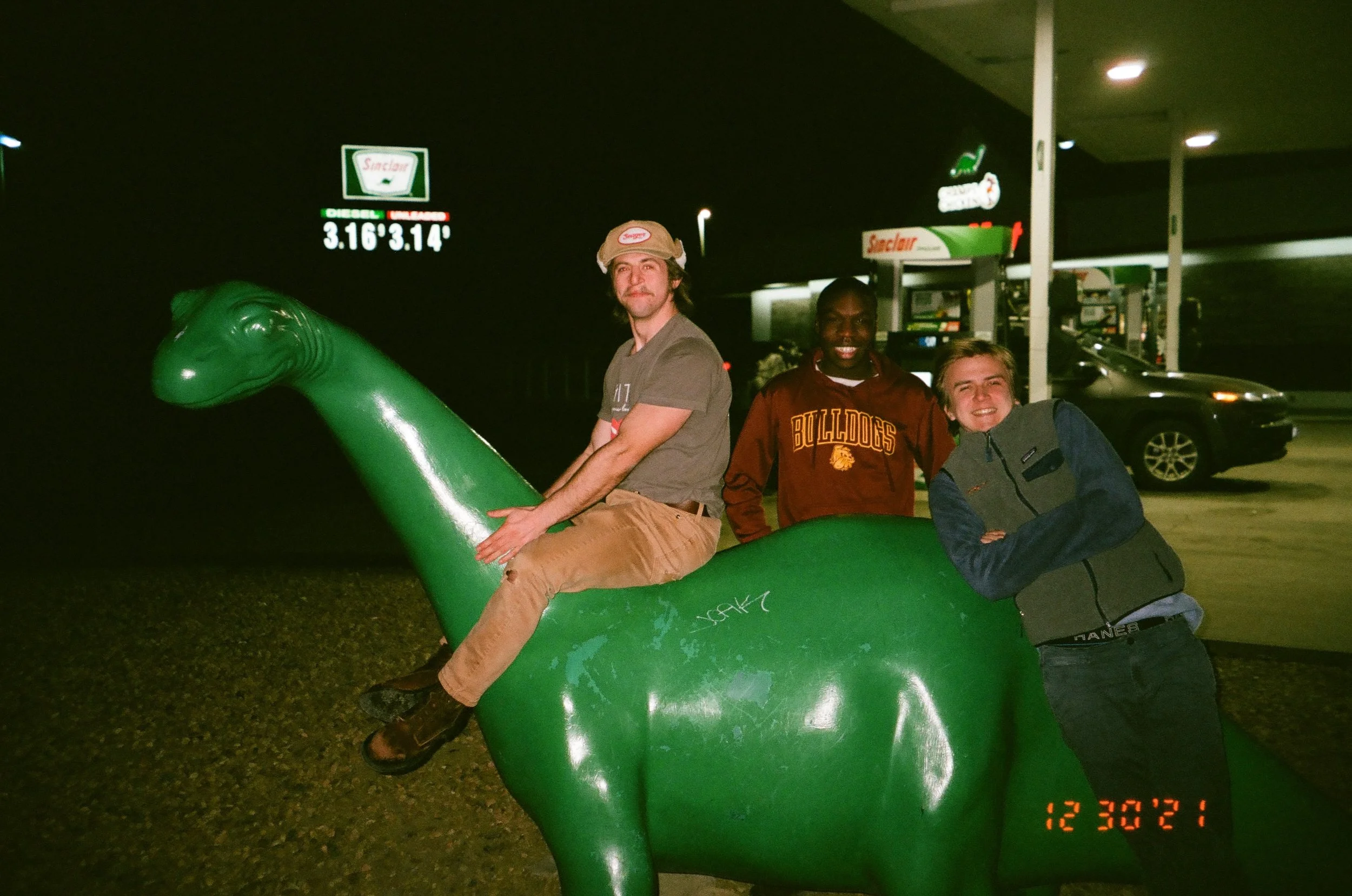
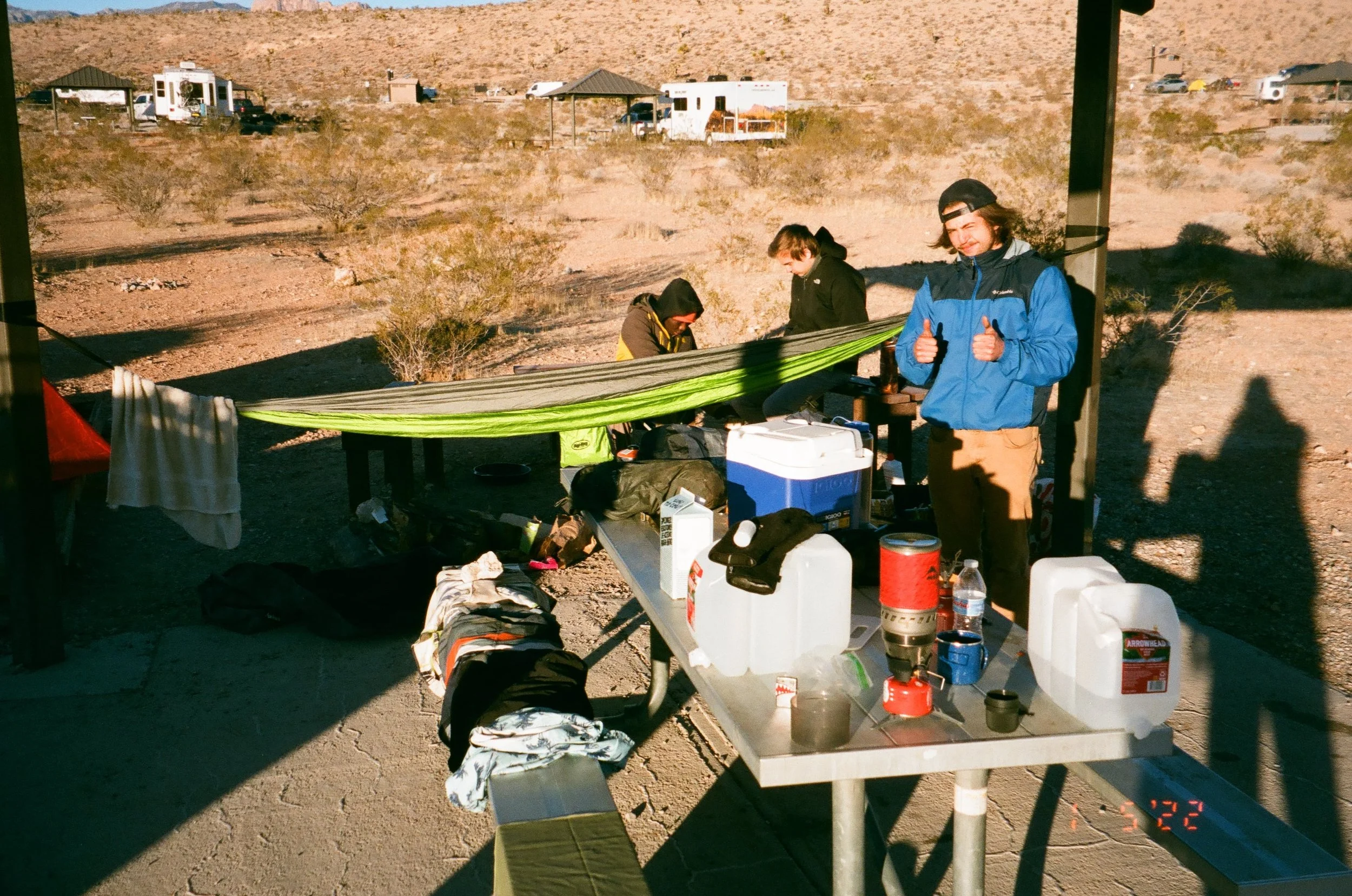
In the Posed photograph, there is an awareness of the camera. The subject embraces the moment by being unnatural. Posing, looking at the camera, acting in a way that would not have happened without the camera. The camera most definitely exists. The photographer is no longer an outsider.
When a subject poses, not only are they embracing the moment, but there is a desire to be seen and a desire to say something. There is distinct and permanent nonverbal communication.
What the Photographer Sees
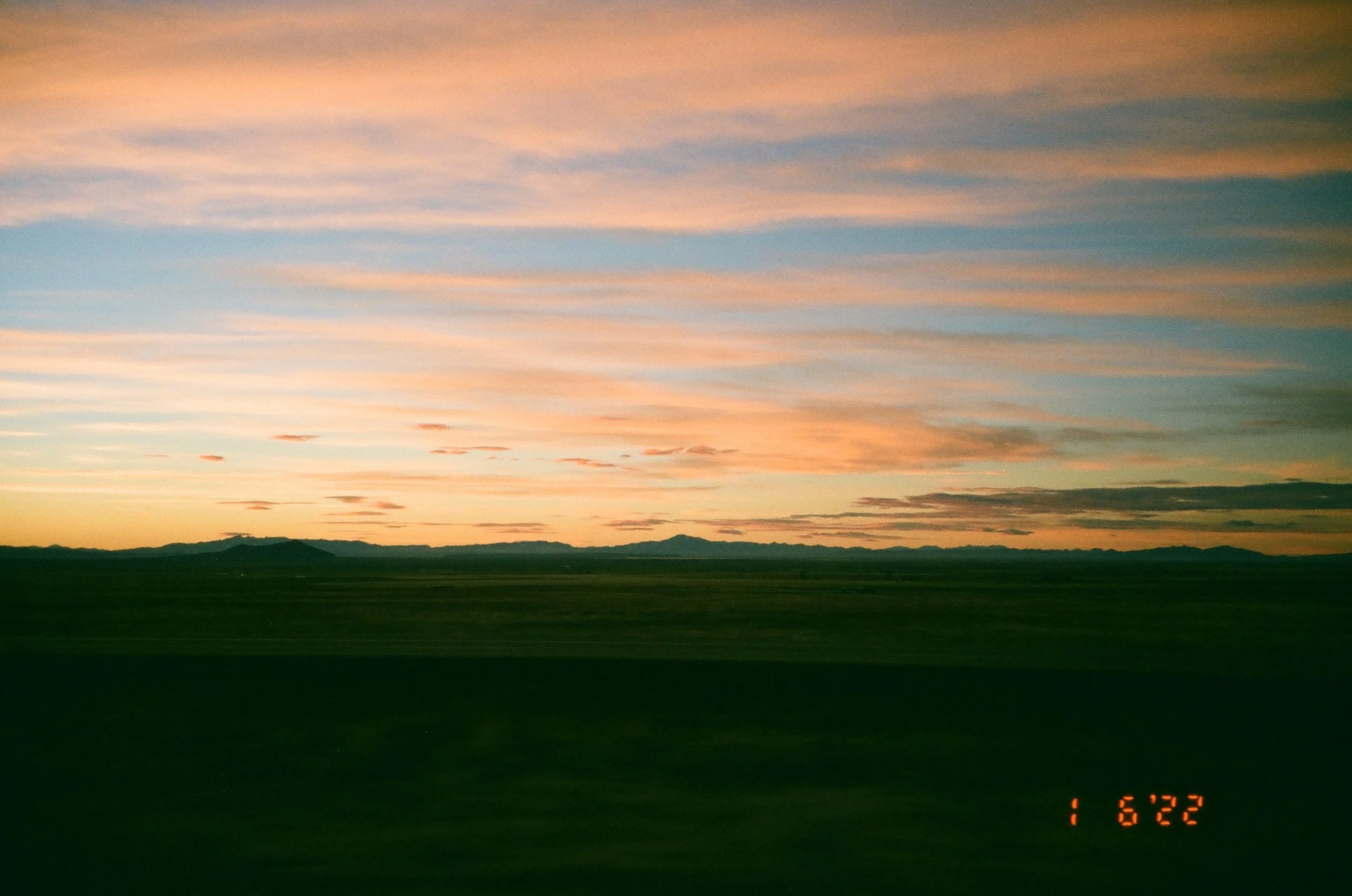
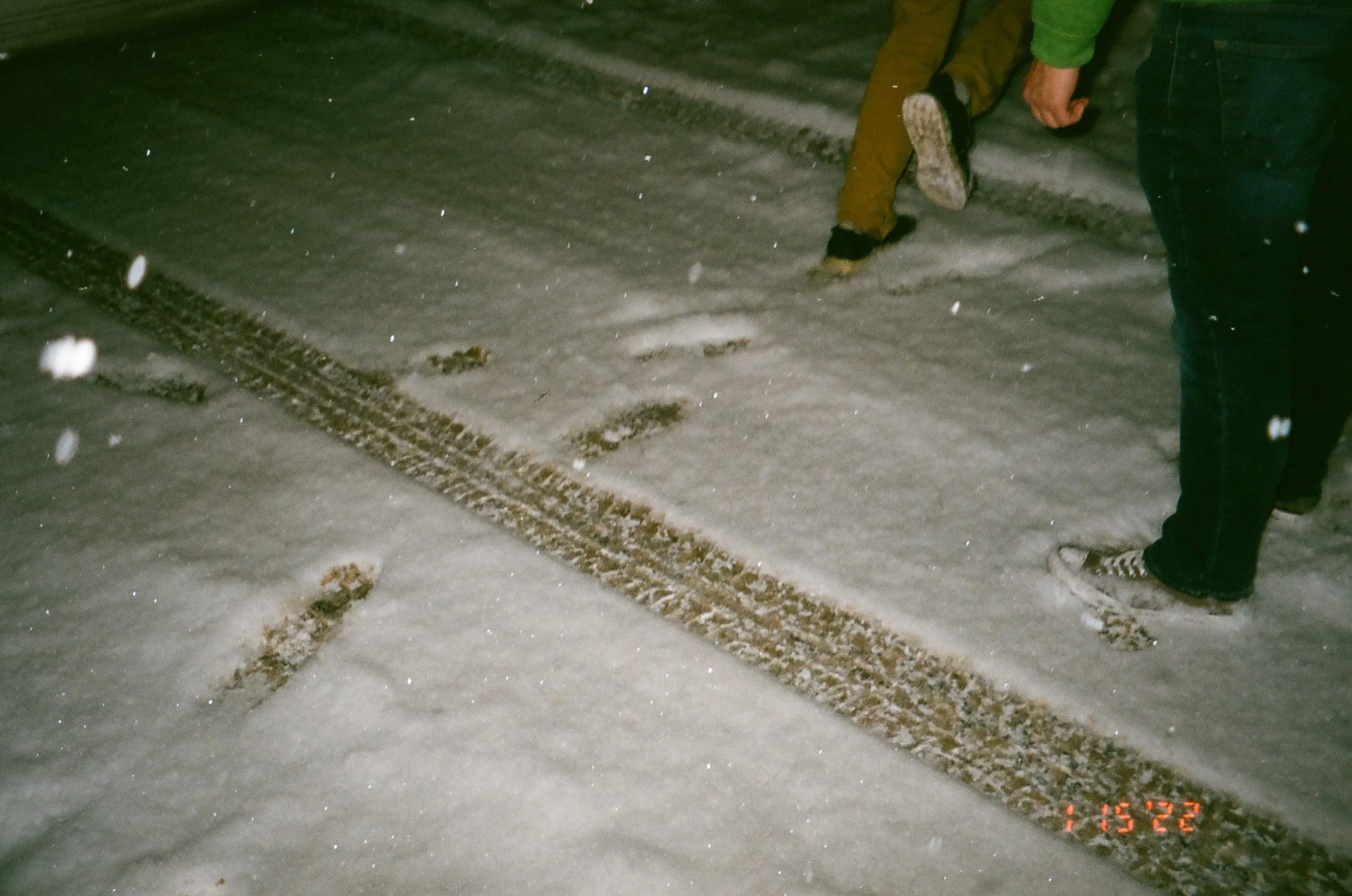
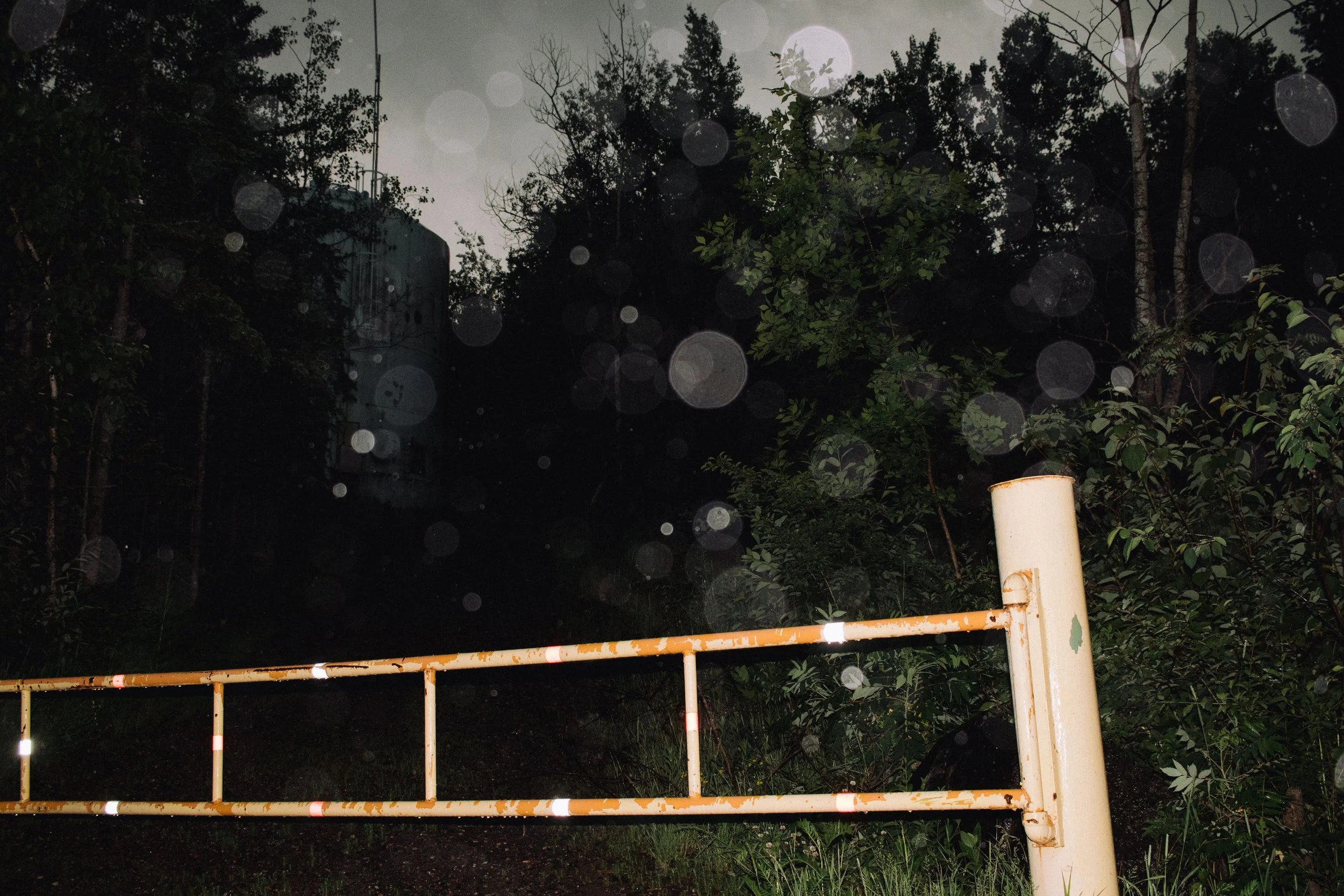
With photos without people or a clear subject, the photographer thought something was interesting. They saw something, and thought it needed to be seen. It needed to captured. Were they feeling something that lead them to capture it? Or were they trying to create an image that held a feeling that the viewer could feel? There is no way of knowing a clear answer without looking at the image first at face value and then at the value of what the photographer might have meant.
Implicit Ideas
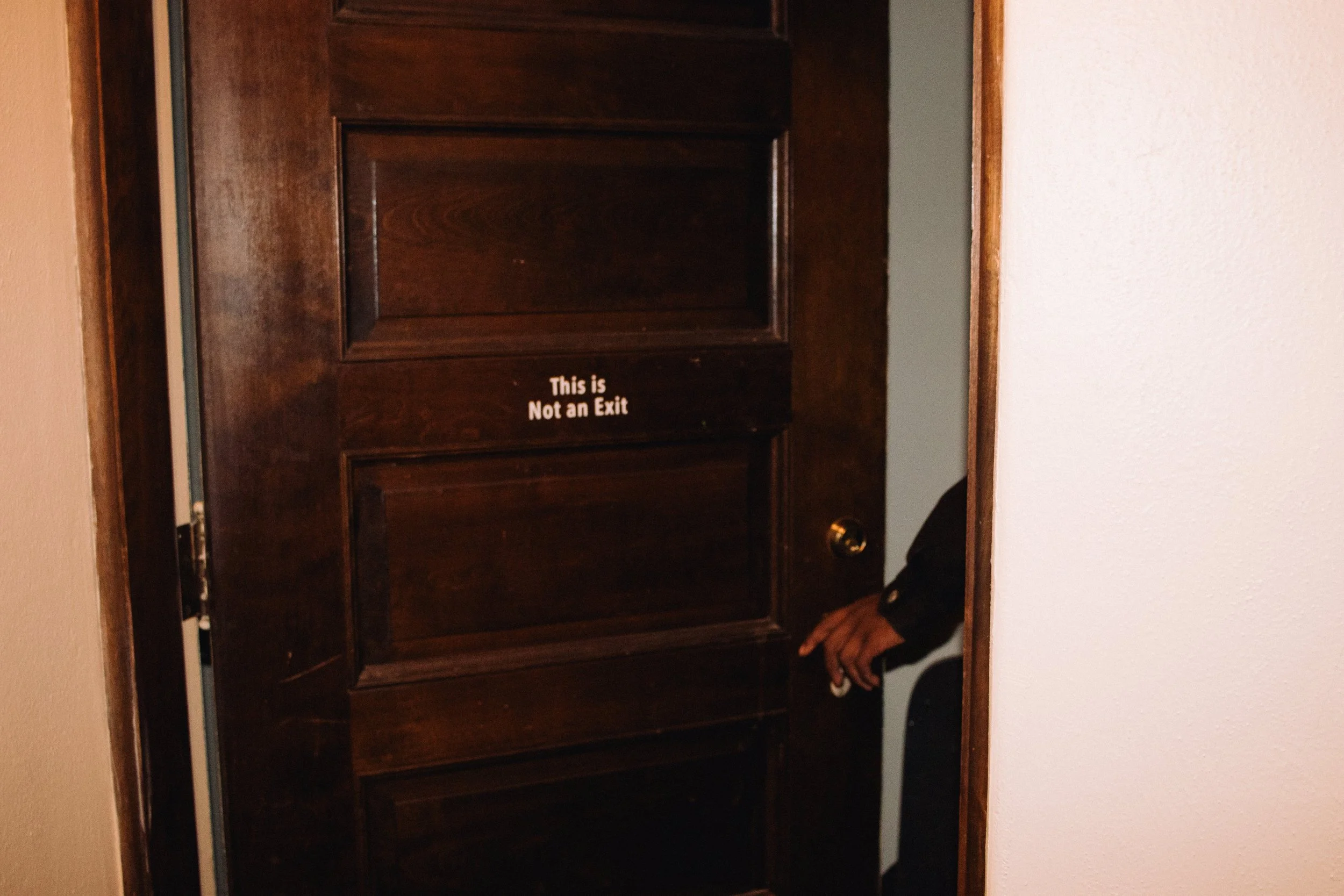
What you see on the surface of a photo is very rarely going to be all you can take away from it.
With every photo, there are at least three meanings. What the photographer sees and why they took it, what is actually captured and seen on the surface, and what the audience interprets it as. This allows for layers of confusion and miscommunication between the photographer and the viewer.
Something that I think is fairly universally understood is that of human emotion. Humans are emotional creatures by nature. Capturing an image of a human allows for the emotions of an individual to transcend into and reside within a four sided frame. Photographs become ideas, both visual memories and emotional feelings.
Destroy a photograph. You can still remember the image.
A camera is a powerful tool, capable of transcending time and suspending human emotions to a physical image, into long lasting ideas.
What is outside the frame of a photograph? If a photo can hold emotions inside the four sides of the image, what emotions exist elsewhere?
If a human is alive within the photo, someday they will die. Not only does that photo exist to document that exact moment, but also to document that entire life. A 1/125 of a second of someone’s 100 year life is enough to prove they existed. Would it be an accurate representation of that person’s life though?
There are certain moments we choose to preserve. We tend to gravitate towards positive emotions. We want to make these feelings last and be remembered. Happiness, joy, accomplishments, excitement, maybe these are the only things that really matter? But the existence of happiness within the frame begs the question of sadness outside of it. Capturing accomplishments can only make one wonder about the failure that occurred to get there.
Looking at the inverse, capturing negative emotions like anger, sadness, and melancholy serve more as statements for how one feels. Outside the frame, there may be happiness, but in this exact moment there is sadness and it should not go silent. Capturing negative emotions serve as a desire to be heard and to add what you feel to the collection of photographs that exist throughout history.
A moment captured, is a moment that has happened and will never happen again. Everything within the frame has come to pass. Throughout a human’s life, no moment is ever guaranteed to us. If there is one thing a photograph does do for us, is that it guarantees a moment will exist for a near infinitely longer time than what has originally transpired.
What Lead to this Exact Moment?
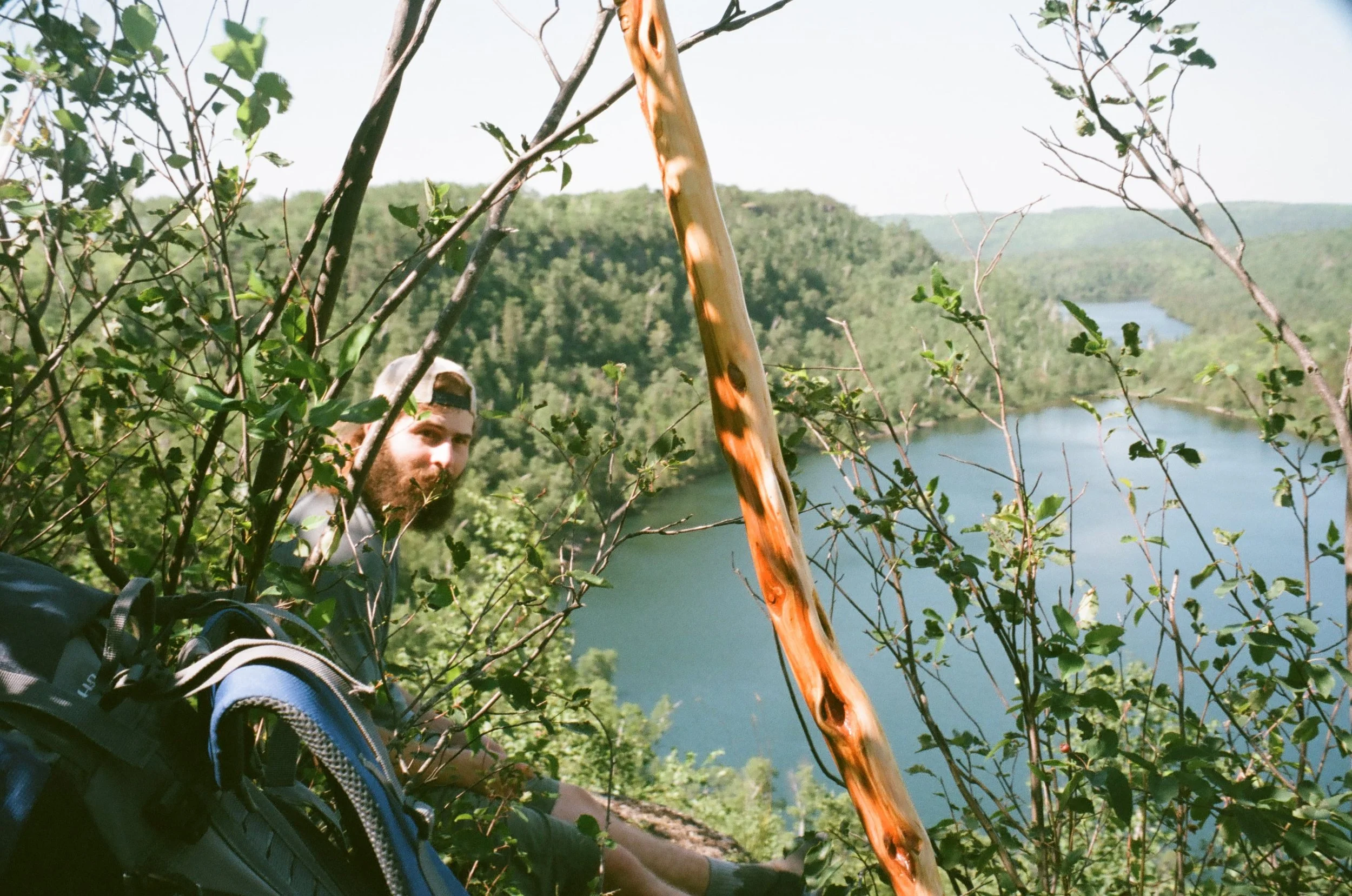
What came before, what is now, and what comes after? One can only imagine. The viewer only has a single frame to piece a story together.
Rebellion Through Preservation
Time is the great destroyer.
Point-and-Shoot often captures minuscule and mundane moments of humanity. But these moments are committed to eternity. The photographer chooses to preserve these moments forever. A photo is a statement, a statement that we exist and we get to decide what we leave behind.
Whatever is being captured by the camera has already passed. Everything comes to an end. How do you rebel against the promise of an inevitable demise? Suspend it. Capture time. See beauty in the world. It is not going to last forever. It would be a disservice to not capture it.
Photography is not natural. It was not supposed to happen. It happened because humans made it happen. It happened because it was able to happen. It happened because it was possible. So why not use it?
Capturing and suspending human emotion for the sake of it is the purest form of rebellion against a universe that will destroy everything in time.
You Never Need to Take the Photo
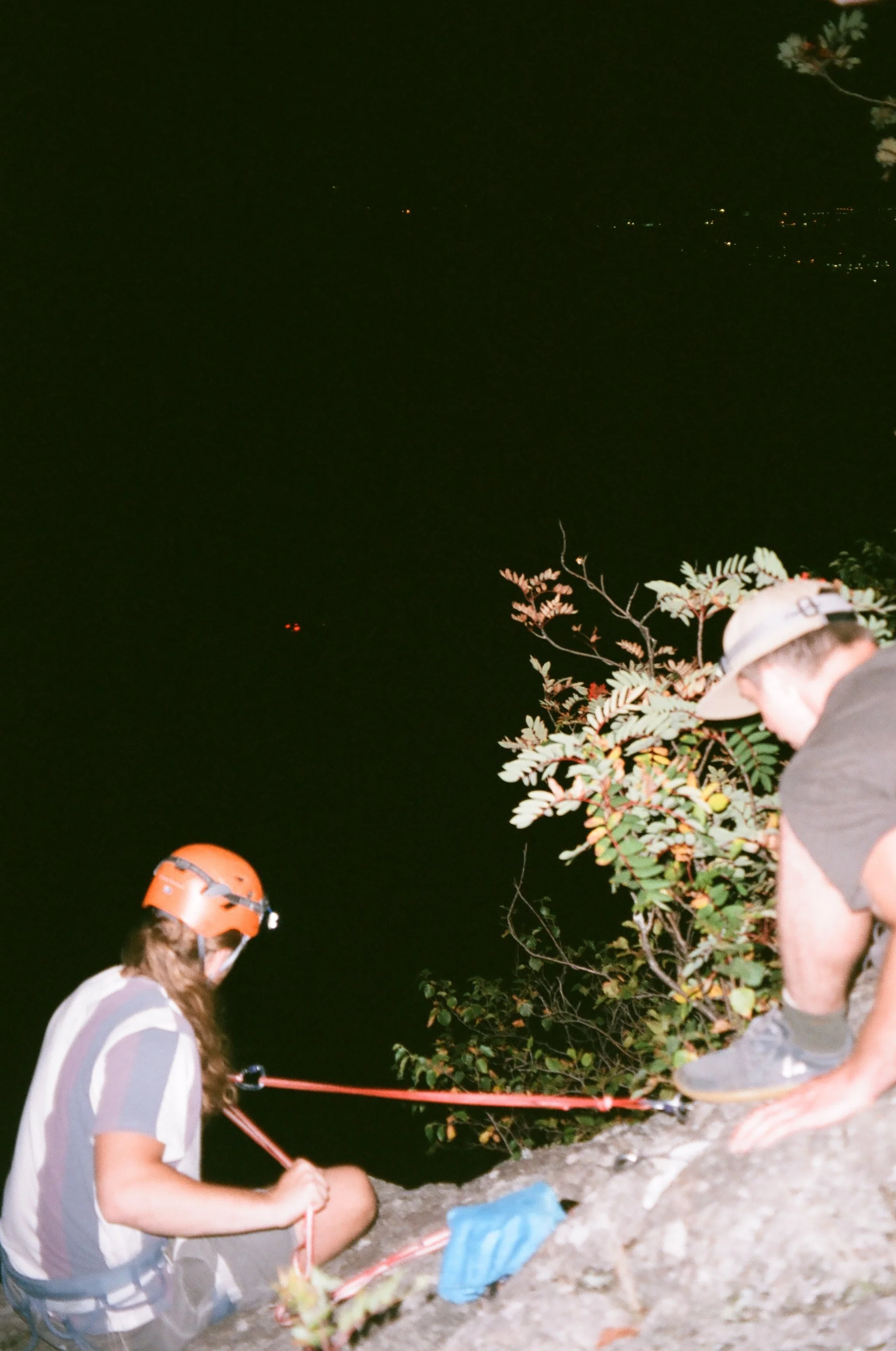
If you do, it exists. What ideas can you pluck from that? That moment exists forever, through the eyes of someone who thought it should. That’s documentation of the human spirit, no matter how small.
Closing Thoughts
The Point-and-Shoot approach is a method of thinking about the world in the present moment and as it is, without the need to create something perfect.
And everyone is doing it. Everyone with a smart phone. Everyone is taking photos. Billions of photos are taken every day.
Everyone in the world is collectively working together to document human existence, and I think that is more important than crafting the perfect photograph.
It’s a beautiful thing that humans have created, preserving how we feel and preserving the truest of what our eyes see in this world that will eventually break everything down to dust.
Until next time, see ya down the trail!